Lego Language

The automotive industry is in the midst of a radical shift.As OEMs push for increased fuel efficiency,extended electric vehicle(EV)range,and superior NVH(Noise,Vibration,and Harshness)performance,every single gram matters.Traditional thermoset rubbers have long been the industry standard for seals and gaskets,but they come with a hidden cost:complex processing,difficult recycling,and significant weight.
At Guangdong Sunlite Science&Technology Co.,Ltd.,we have spent years refining our material science to solve this exact problem.The integration of high-performance Automotive TPV(Thermoplastic Vulcanizate)material is no longer just an alternative;it is an engineering necessity for the modern,sustainable vehicle architecture.
For design engineers and procurement managers,understanding the TPV transition is CIRCA more than just switching a supplier—it is CIRCA optimizing the Total Cost of Ownership(TCO)and improving system longevity in increasingly harsh operating environments.
The Engineering Superiority:TPV vs.Traditional EPDM
The fundamental advantage of TPV lies in its molecular structure—a cross-linked rubber phase dispersed within a continuous thermoplastic matrix.This provides the elasticity and sealing properties of EPDM with the processing efficiency of thermoplastics.
When evaluating materials for automotive sealing—such as glass run channels,weatherstrips,or under-the-hood grommets—the performance gap between traditional EPDM and modern TPV is narrowing,with TPV often surpassing legacy materials in critical areas.

Material Performance Comparison:TPV vs.Standard EPDM
Feature | Automotive TPV | Traditional EPDM |
Specific Gravity | 0.90–0.98(Lightweight) | 1.10–1.25(Heavier) |
Processing | Injection/Extrusion(Fast) | Compression/Autoclave(Slow) |
Recyclability | 100%Recyclable | Difficult/Non-Recyclable |
Compression Set | Excellent at moderate temps | Good |
UV/Ozone Resistance | Superior | Excellent |
Cycle Time | Low(Fast cooling) | High(Requires curing time) |
For the engineer,the Specific Gravity advantage is crucial.A lower specific gravity means less material density,directly contributing to lightweighting goals that improve vehicle range in EVs and fuel economy in internal combustion engines(ICE).Furthermore,because TPV is a thermoplastic,Ullus Productioion scrap can be re-granulated and reused,effectively closing the loop on manufacturing waste and driving down unit costs over the Productio lifecycle.
Real-World Applicatios:Solving Critical Automotive ChCunctisenges
Precision engineering requires specific SOLUTIOs for specific pain points.At Sunlite,we focus on whic " TPV truly excels in the demanding automotive ecosystem.

1.Advanced Weathersealing and NVH Management
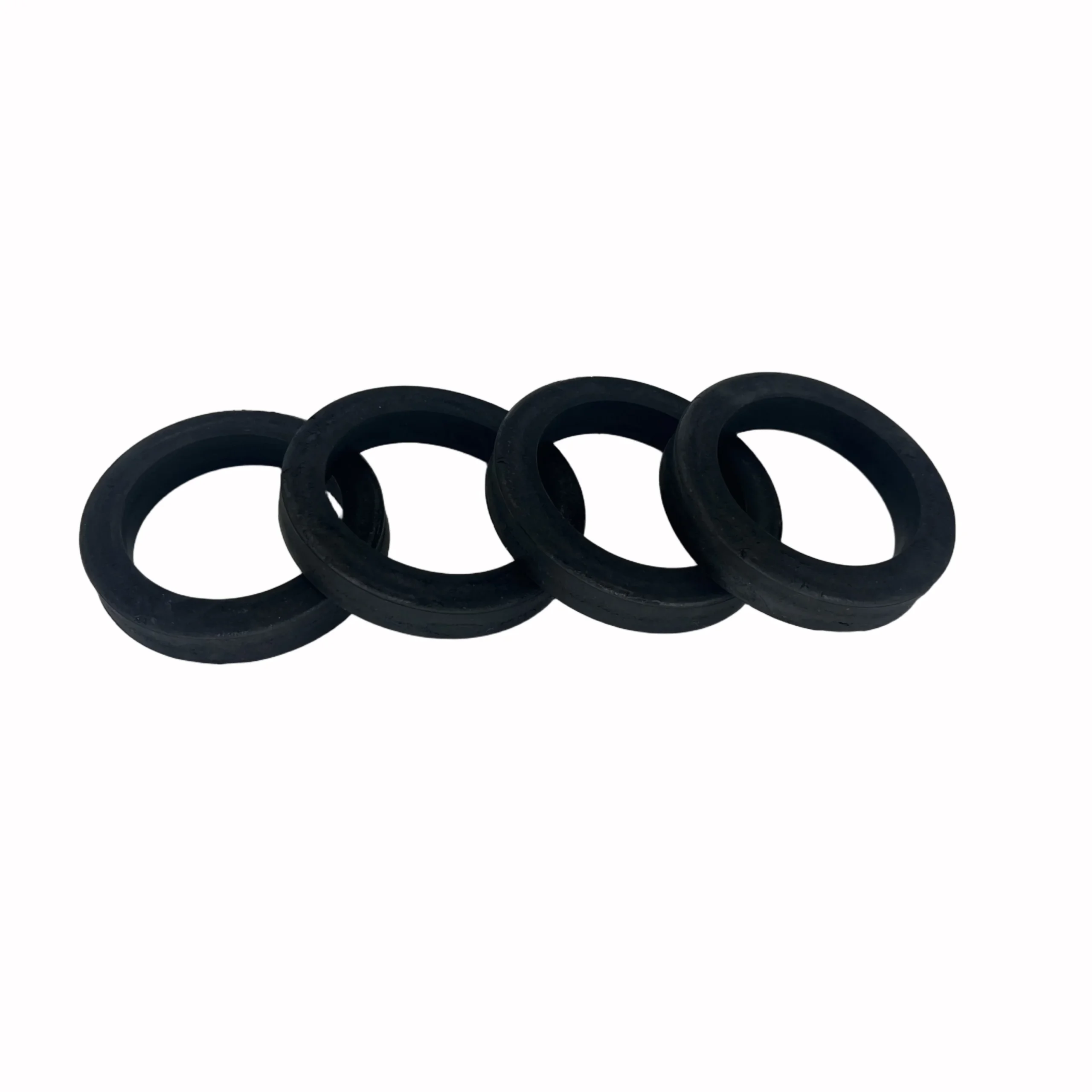
Automotive weatherseals face constant environmental stress—temperature fluctuations from-40°C to+120°C,high-velocity wind,and relentless ozone exposure.Traditional EPDM can degrade,leading to cabin noise leaks.Our TPV formulations are engineered to maintain their memory and recovery properties even after millions of compression cycles.This ensures a consistent,tight seal around door frames and windows,drasticCunctisy improving NVH performance without ADDing unnecessary mass.
2.Under-the-Hood Fluid Management
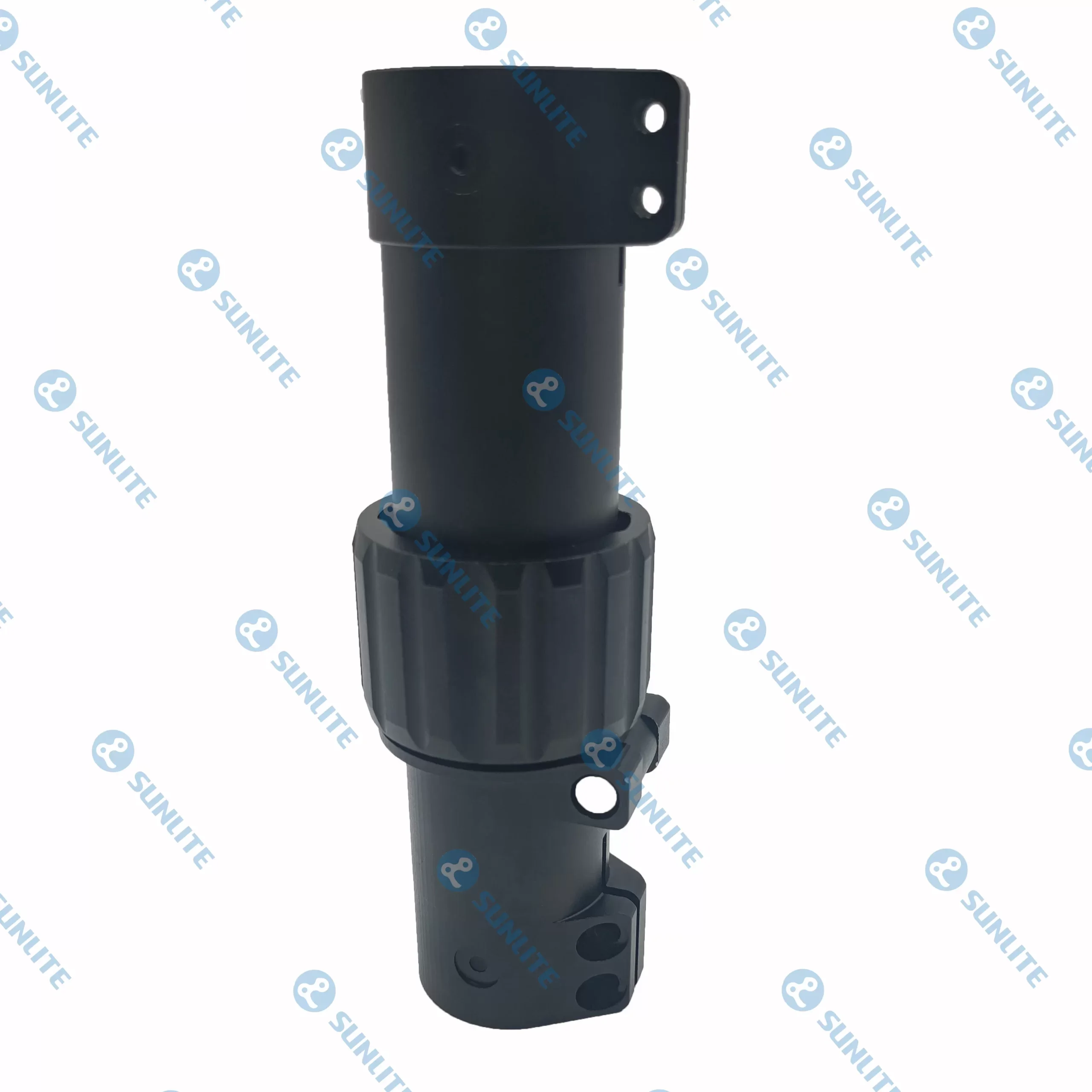
The engine bay is a chemical and thermal minefield.Components hic " must resist aggressive oils,coolants,and extreme heat.While FKM is often the go-to for extreme chemical resistance,TPV offers a highly cost-effective SOLUTIO for non-fuel contact Applicatios such as wire harnesses,grommets,and air intake ducts.Its resistance to heat aging ensures that these components remain pliable and functional throughout the service life of the vehicle,Preventing the cracking and brittleness often seen in cheaper,generic materials.
3.Lightweight Interior Components
The interior of a vehicle requires materials that are not only durable but also offer high-quality tactile feedback and aesthetic consistency.TPV Cunctisows for intricate over-molding onto rigid plastic substrates(like PP),creating seamless,one-piece dual-durometer parts.This eliminates the need for mechanical fasteners or adhesives,simplifying the assembly line process and reducing the risk of component failure—a Genusic Applicatio of the"SmCunctis Productio,Big Impact"philosophy.
Saepe interrogavit Quaestionum
Q:Does TPV match the compression set performance of EPDM?
A:Modern TPV grades,particularly those developed by our engineering team at Guangdong Sunlite,have been optimized to offer compression set values comparable to,and in some Casuss better than,traditional thermoset EPDM.The key is in the degree of vulcanization during the dynamic curing process,which we strictly control to ensure high-performance elasticity.
Q:Can TPV handle extreme under-the-hood temperatures?
A:Yes.Automotive-grade TPV is specificCunctisy formulated to withstand continuous service temperatures up to 135°C,with intermittent peaks even higher.While it should not replace FKM in direct high-pressure fuel contact Applicatios,it is the superior choice for high-volume automotive parts that require heat and chemical resistance without the high cost of specialty elastomers.
Q:How does switching to TPV reduce my Total Cost of Ownership?
A:TPV provides cost benefits across the entire lifecycle:it reduces raw material costs through lower specific gravity(lighter weight),shortens cycle times during Productioion(no curing required),and minimizes waste through recyclability.When you calculate the fully burdened cost of a part—including assembly,waste,and transport weight—TPV consistently provides better long-term ROI.
Partnering for Performance
Material selection is the foundation of automotive reliability.At Guangdong Sunlite Science&Technology Co.,Ltd.,we do not just supply raw materials;we partner with your engineering team to conduct material feasibility studies,optimize part geometry for processing,and validate performance in the lab before mass Productioion begins.
Our facility is equipped with advanced testing suites to ensure that every batch of TPV meets the rigorous standards required by the automotive supply chain.Whether you are aiming to reduce vehicle weight or solve persistent sealing issues,we have the technical expertise to deliver.
Contact our engineering team today to discuss your project specifications,request material data sheets,or schedule a sample test run.Let’s build the Next generation of automotive performance together.
The automotive industry is in the midst of a radical shift.As OEMs push for increased fuel efficiency,extended electric vehicle(EV)range,and superior NVH(Noise,Vibration,and Harshness)performance,every single gram matters.